by Ray Linville
Fishing camps in eastern North Carolina were once where farmers could seek short-term employment in the fishing industry when the season arrived and, as described by NCpedia, “make a pile of money” by catching fish. Some camps were built on the coast, and nets were set from the beach to capture seasonal runs of several fish species. Other camps were built by sounds and their estuaries. Families of fishermen often spent summers with them there as their commercial fishing was underway.
Generations ago, fishing camps consisted of huts and cabins, sometimes primitive. Some camps, particularly those where families stayed, were more permanent, and families would return to the same spots each summer. Not surprisingly, modern-day towns, such as Oriental in Pamlico County, began as fishing camps.
During the last half of the nineteenth century and early parts of the twentieth, fishing camps were numerous even if isolated. Many camps were occupied by mullet fishermen who operated in teams of four to thirty workers on the coast. Today a business called a fish camp is more likely a seafood restaurant without any camping facilities such as Lake Todd Fish Camp in Concord and Jones Fish Camp in Maiden. Sometimes when a restaurant wants to serve more than seafood, it drops “fish camp” from its name, as Lineberger’s Fish Camp in Gastonia did in 2014 when it became Mr. T’s Place.
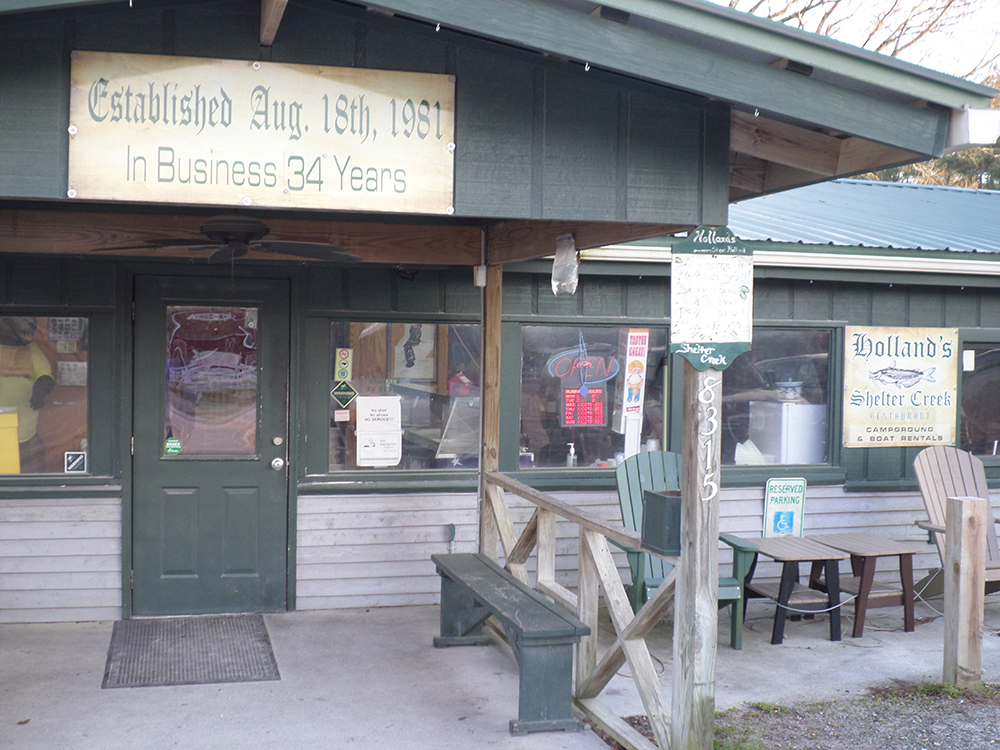
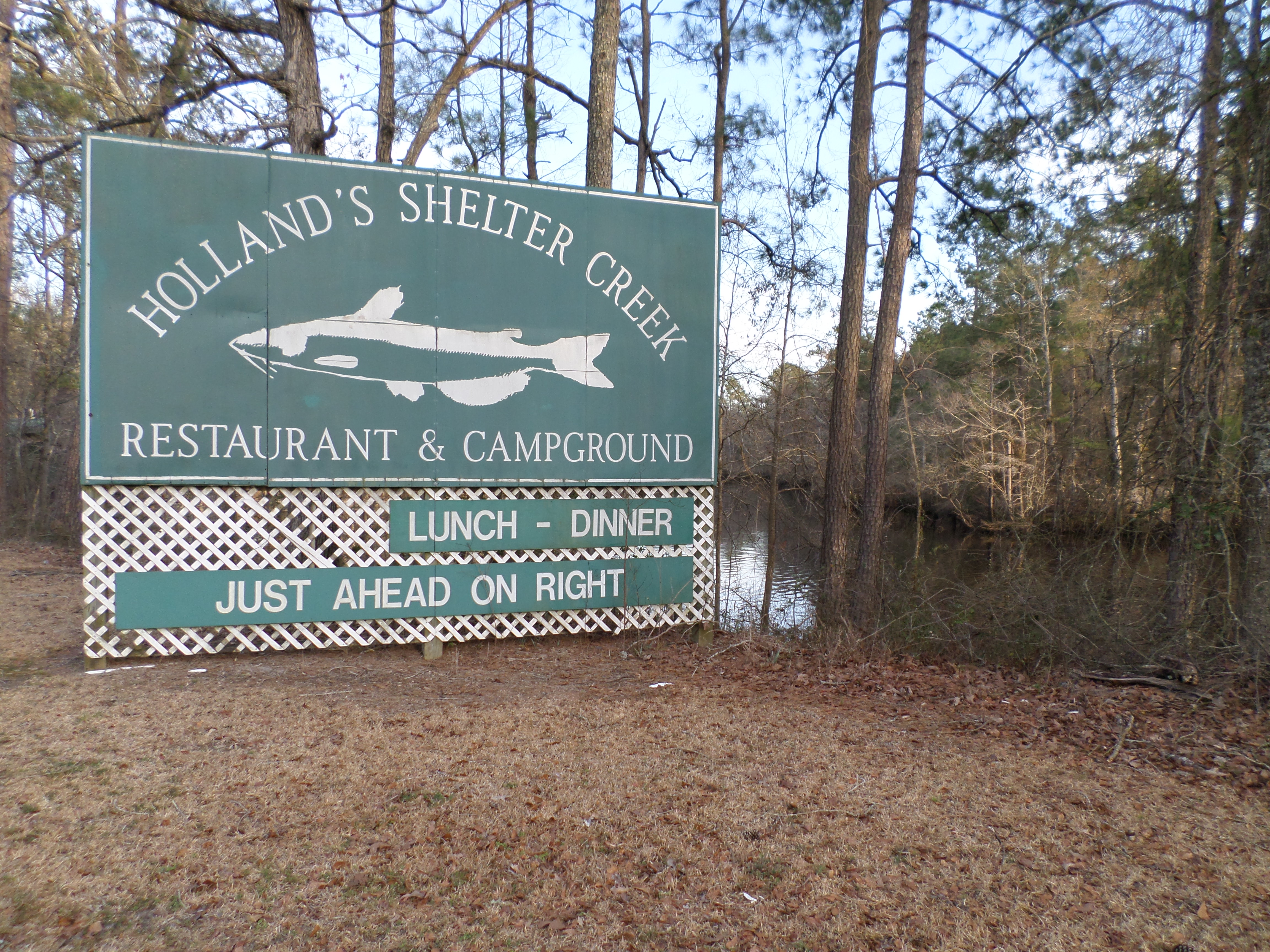
In business for 34 years, Holland’s Shelter Creek Fish Camp in Pender County on the outskirts of Burgaw evokes memories of the early fishing camps in eastern North Carolina because it is a campsite in addition to having a restaurant. Although the fishing today is recreational rather than commercial as at historic fishing camps, the rustic cabins at Holland’s harken back to a time when fishermen working seasonally lived in simple structures. On the banks of the Northeast Cape Fear River, Holland’s provides ample space for campers who want to enjoy local fishing as well as traditional meals at its restaurant for travelers who appreciate tasty seafood.
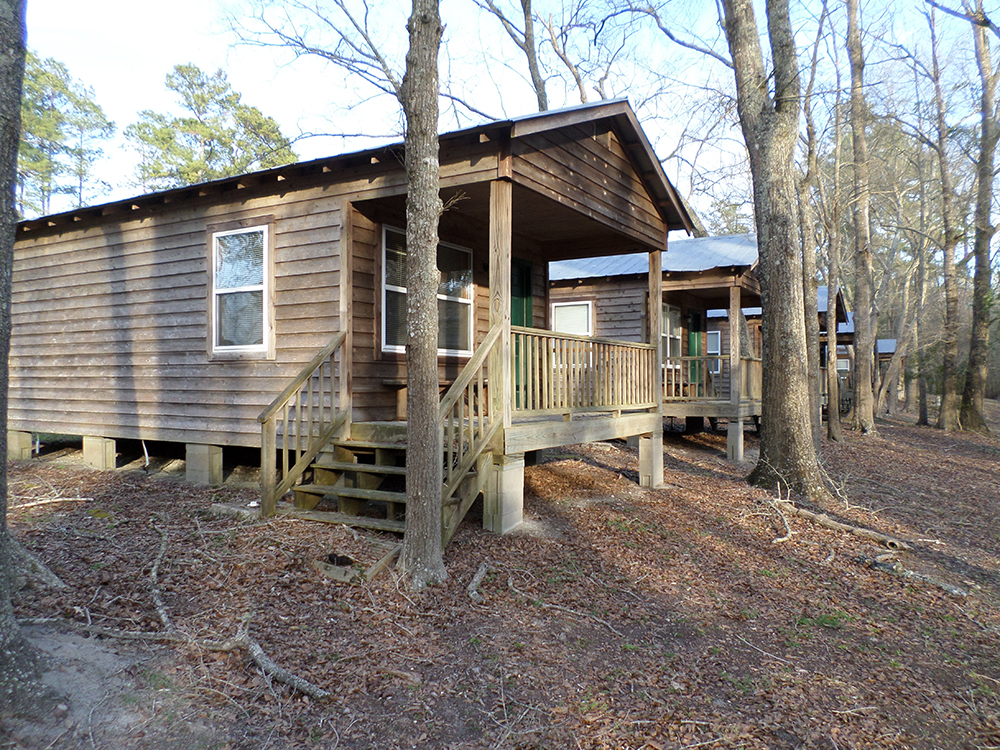
For the fishing enthusiast, Holland’s rents canoes, kayaks, and flat bottom boats. It also has a spacious RV park for the modern-day camper who motors in rather than pitches a tent. Several rustic cabins, which would have been popular in an earlier day, line the edges of the property on Shelter Creek. They are now for sale, another indicator that this fish camp continues to evolve with the modern times.

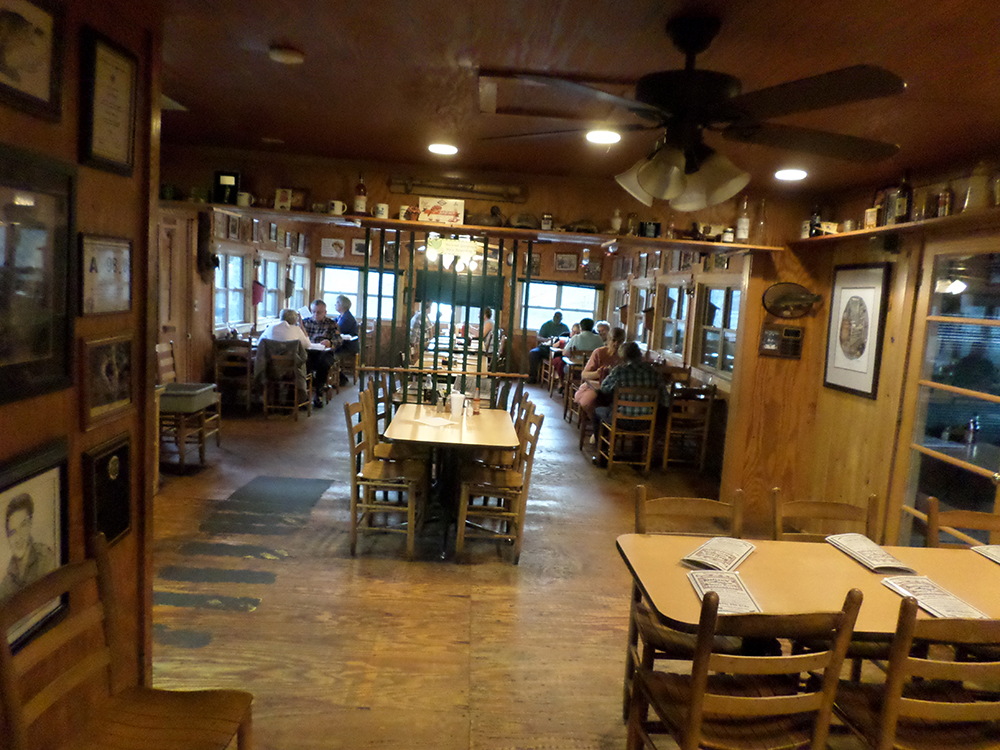
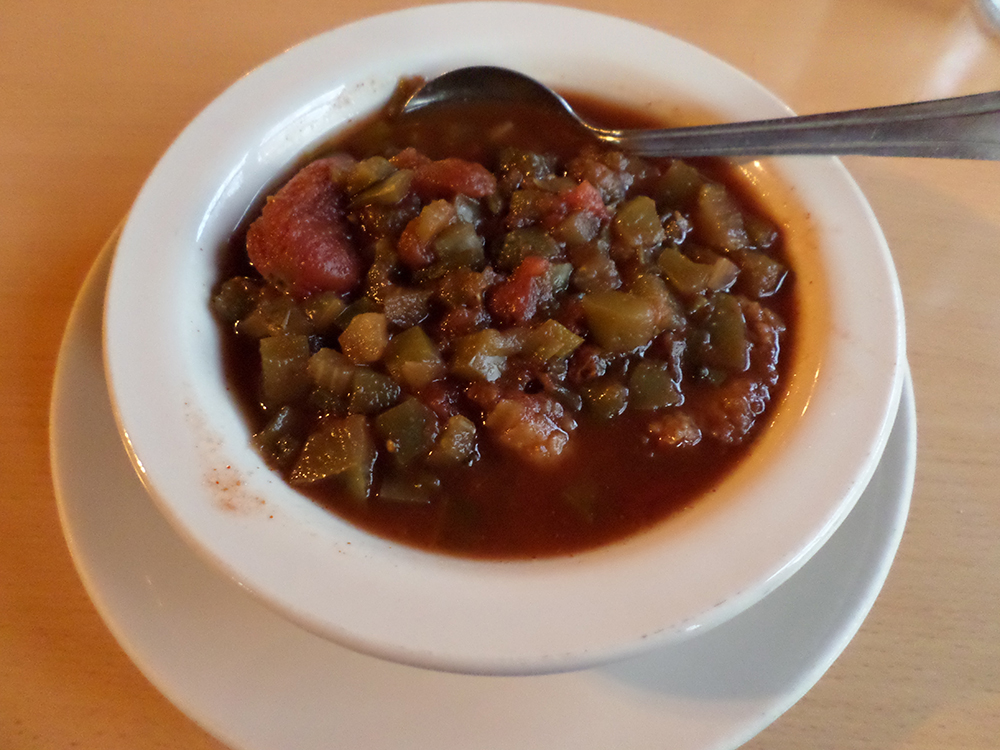
The menu at Holland’s lists popular seafood: shrimp, scallops, catfish, crab, and oysters. The dining area was full on the week night when I visited and enjoyed catfish stew. The shrimp and frog legs that my wife ordered more than met her expectations. However, I was disappointed to learn that Holland’s foodservice provider brings little from the North Carolina coast, although it is only about thirty miles away. Except for catfish that are farm-raised in Florida, most seafood is shipped from foreign countries that can market them much more economically than local sources.
Only a few years ago the seafood served would have been local and the camping more rustic. However, at Holland’s, you can visualize the importance that fishing camps once had in the North Carolina economy. It still offers a picturesque scene where fishing is important and tasty seafood can be enjoyed. Because Holland’s is on a route to Surf City and Topsail Beach, it’s a convenient place to stop for seafood, even if the memories about fishing camps are fading into time.
Resources
Fishing Camps
http://ncpedia.org/fishing-camps
Holland’s
http://www.visitnc.com/listing/holland-s-shelter-creek-kayak-canoe-rentals