

Pepper Preservation: Two Experiments
by Laura Fieselman Tomorrow is the new moon, and for those who plant by tradition the Farmers’ Almanac indicates it’s time to set out the very first plants of the season (which would be peas). But this year it seems like the frosts just keep on coming and coming and coming … we’re sharing a […]
Sweet Potatoes: Providing Fresh Food for the Needy
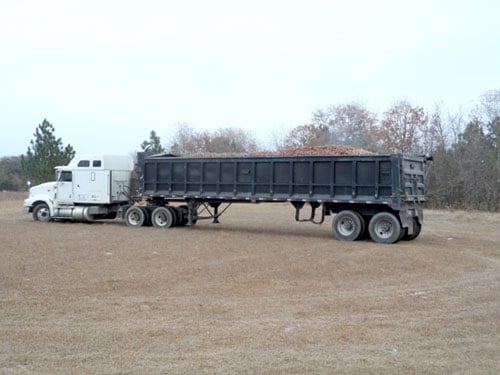
by Ray Linville Please contact the Food Bank of Central and Eastern North Carolina directly f you are needing food: 919-875-0707 North Carolina produces about half of all the sweet potatoes grown in the United States, and it has consistently ranked as the top producing state for more than 30 years. More than half of […]
Coke Is It: A Love Story
by Sarah Bryan It’s a moment that a lot of Southerners have had: when folks from somewhere else single out a characteristic of our speech or behavior that is evidently outlandish to the rest of the world, but that, until that moment, we hadn’t realized was at all weird. “You carried your grandmother to the […]
Boiled Peanuts, A Southern Tradition
by Elena Rosemond-Hoerr The dog days of summer, as the hot and humid late summer days are often called, inspire in me a deep seated desire to swampify myself. For as long as I can remember my family migrated to the coastal town of Morehead City in the late summer to camp out in the […]
New Farmers in North Carolina: Karen Refugees
by Ray Linville More than 14,000 refugees have been resettled in North Carolina in the past decade, according to the U.S. Office of Refugee Resettlement. As these refugee communities grow, they are beginning to transform food traditions of our state and expand the agricultural offerings at farmers’ markets and farm-to-home deliveries provided through community-supported agriculture. […]
Heirloom Seeds and Plants: Preserving State Food Traditions
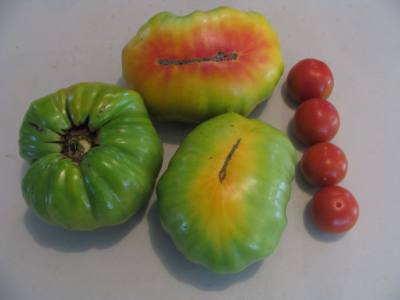
by Ray Linville Do you wish that you could grow the same vegetables that Grandma grew? The flavors that she tasted and the nutrients that she enjoyed are legendary, and many of us reminisce about how we miss the flavors of yesteryear. Because this desire to appreciate traditional foods is growing, a cultural movement to […]

Finding the Source of Your Food
by Ray Linville When you eat in a restaurant, do you think about the farms that provide your meal? An excellent way to visit the source of your food is the annual farm tours conducted in our state. Earlier this year I explored several farms as part of the Piedmont Farm Tour, held on the […]
June is North Carolina Blueberry Month
By Frances Dowell The civilized blueberry moved to North Carolina in the early half of the 20th century. Wild blueberries have been growing in the piney woods of the eastern shores since the beginning of time (or thereabouts), but it wasn’t until one Harold Huntington of Montclair, NJ, cleared a thousand acres in Pender County […]

Mama’s Tea
by Jefferson Currie My mama, Jerri, doesn’t really like ice tea much (I know that most spell it iced tea, but with that d and t next to each other, that’s not really what it sounds like), and I realize that to some southerners that is a kind of sacrilege, so it always struck me […]
GRITS with BUGS? OBX SHRIMP and GRITS
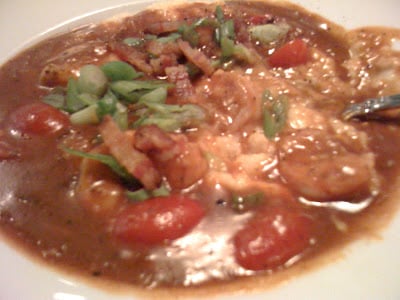
by Elizabeth Weigand Elizabeth Weigand is one of my favorite food writers. She’s so good at what she does that I can darn near taste whatever she’s writing about as well as exploring the culture and lore behind it. I was so excited when she agreed to let us use a blog post she wrote […]
Harkers Island
For centuries, Harkers Island was its own world. On this island off the North Carolina coast, generations of fishermen and boat builders created a culture marked by deep family ties and a distinctive dialect. But outsiders are discovering this five-mile island. As waves of newcomers displace local residents, locals worry that the island’s essential character is changing.
[sc_embed_player fileurl=”http://www.ncfolk.dreamhosters.com/audio/HarkersIsland.mp3″] Listen to the podcast
Core Sound Waterfowl Museum
Created in 1992, the Core Sound Waterfowl Museum is dedicated to documenting, preserving, and presenting the coastal community traditions of the Core Sound area. It represents a diverse community of rural fishermen, hunters, carvers, boat builders and their families, including European American and African American groups that settled North Carolina’s Outer Banks and sound-side villages […]
East Carolina University’s Folklore Archive
East Carolina University Folklore Archive (ECUFA) is a university-based regional folklife collection. Established in 1968 with the institution of a course in American folklore in the English Department, ECUFA now holds approximately 8,000 manuscript collections of field documentation in addition to approximately 75,000 separately recorded items of primarily verbal lore. Hundreds of video and audiotapes, […]
North Carolina Folklore Society
Founded in 1913, the North Carolina Folklore Society is one of the oldest state folklore societies. It is committed to promoting the appreciation, study and preservation of North Carolina’s rich folk cultural heritages. Through its publications, annual meeting, awards, and other programs, the NCFS encourages the continuation of diverse cultural traditions present in the state […]
North Carolina Maritime Museum
The North Carolina Maritime Museum, in Beaufort, North Carolina, documents, collects, preserves, and researches the maritime history—and its corollary natural history—of coastal North Carolina, for the purpose of interpreting this history through educational services and exhibits, and passing intact its material culture to future generations. All of the museum’s programs and exhibits, both general and […]
Carson Varnam’s Shellfish Market
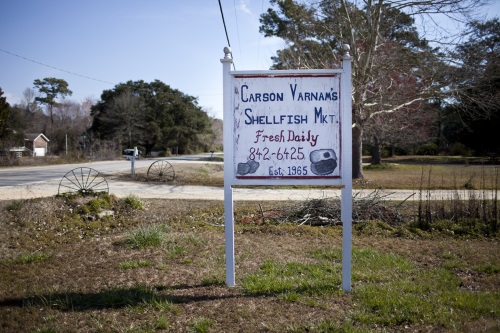
Last Tuesday I went to Carson Varnam’s Shellfish Market to photograph a typical day during oyster season. Around 9:30 the first of the day’s harvest arrives at the market, where they’re placed into cold storage before being sold locally or delivered to restaurants or retail markets. There are opportunities for Mikey Fulford, Carson Varnam’s grandson, […]

Local Seafood: Kitchen on the Roll
Where can you get fresh fish prepared by an award-winning chef? Sometimes the location may not be on the coast or a river but instead from a mobile kitchen. In downtown Wilmington, I found Chef Keith Rhodes hustling to serve customers eagerly standing in line at his food truck parked on North Fourth Street in […]
Oysters in the Parking Lot
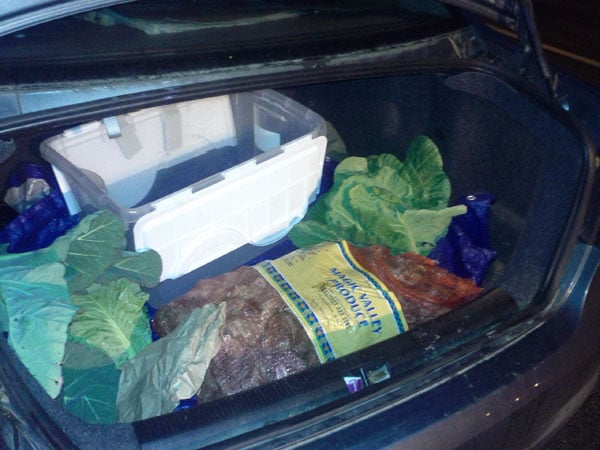
One of the best perks of doing fieldwork for the North Carolina Folklife Institute is the amazing food you run into on the road. When I arrived in Brunswick County last night for a community meeting related to a folklife survey we’re doing, supported by the National Endowment for the Arts, fieldworker Steve Kruger showed […]
Hatteras Farewell
A couple weeks ago, I was a guest at the Hatteras fishing community’s Day at the Docks. It’s a wonderful celebration of that Outer Banks village’s fishing heritage and living traditions, and I felt deeply honored to be part of it. Originally founded after hurricane Isabel in 2003 as a day to celebrate the island’s […]